
When I first started building homes in Ontario, I thought all insulation was created equal. That was until a particularly harsh winter taught me otherwise. Drafty rooms, sky-high heating bills, and unhappy clients forced me to rethink my approach. That's when I discovered EPS insulation and its role in modern building systems. In this guide, I'll share what I've learned over 15 years in the field, so you can make informed decisions for your next project.
What Is EPS Insulation and Why Does It Matter?
EPS, or expanded polystyrene, is a rigid foam insulation made from polystyrene beads expanded with steam. It's lightweight, cost-effective, and boasts excellent thermal resistance. Unlike polyurethane or XPS, EPS doesn't use ozone-depleting blowing agents, making it an environmentally friendlier choice. In Canada, where temperature swings from -30°C to 30°C are common, EPS provides consistent R-value per inch, typically around R-4 per inch. That means a 2-inch board delivers roughly R-8, enough to beef up walls, roofs, and foundations.
But why does this matter? Because energy codes like the National Building Code of Canada are tightening. Builders must meet higher insulation requirements, and EPS offers a budget-friendly way to comply without sacrificing performance. Plus, its moisture resistance helps prevent mold and rot, a critical factor in our humid summers and freeze-thaw cycles.
Sandwich Panels Canada: The Future of Efficient Building
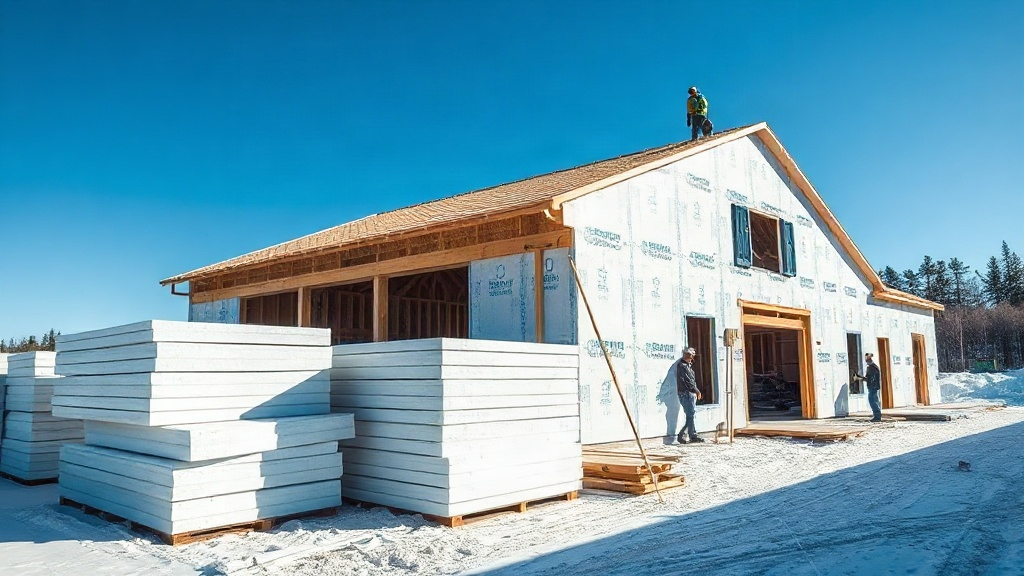
If you've driven past a construction site recently, you've likely seen sandwich panels Canada wide. These prefabricated panels consist of an insulating core (often EPS) bonded between two rigid facings, such as metal or oriented strand board (OSB). They're revolutionizing how we build because they combine structure, insulation, and weatherproofing in one component. For Canadian builders, sandwich panels mean faster installation, less waste, and better quality control.
Types of Sandwich Panels
- Metal-faced panels: Ideal for industrial and commercial buildings, these offer durability and fire resistance.
- OSB-faced panels: Commonly used in residential construction, they provide a nailable surface for siding and roofing.
- Gypsum-faced panels: Used for interior partitions where fire ratings are required.
When specifying sandwich panels, pay attention to the foam density and facing material. Higher density EPS (e.g., 1.5 lb/ft³) offers better structural integrity. Also, check for certification under CAN/ULC S701, which ensures the foam meets Canadian safety standards.
Insulated Roof Panels: Keeping Heat Where It Belongs
Roofs are responsible for up to 25% of heat loss in a typical Canadian home. That's why insulated roof panels have become a go-to solution for both new builds and retrofits. These panels integrate insulation with a structural deck, eliminating thermal bridging and reducing attic ventilation issues. I've used them on everything from cottages to commercial warehouses, and the results speak for themselves: lower energy bills and happier occupants.
Benefits of Insulated Roof Panels
- Energy efficiency: Continuous insulation minimizes heat transfer.
- Speed of installation: Panels arrive pre-cut and ready to install, cutting labor time by up to 50%.
- Durability: Resistant to moisture, pests, and decay.
- Design flexibility: Available in various thicknesses and facings to suit different roof types.
One project in Alberta used 6-inch EPS-core insulated roof panels to achieve R-24, exceeding code requirements and reducing heating costs by 30%. The homeowner reported a noticeable difference in comfort within the first month.
How to Choose the Right EPS Insulation for Your Project
Not all EPS is the same. Here's what to consider:
- R-value requirements: Determine the required R-value based on your climate zone and building code. For example, a Toronto roof might need R-30, while a Vancouver wall needs R-12.
- Density: Type I (1 lb/ft³) is for low-load applications; Type II (1.5 lb/ft³) handles moderate loads; Type III (2 lb/ft³) is for high-load areas.
- Moisture resistance: Look for EPS with a low water absorption rate (less than 2% by volume).
- Fire performance: Ensure the EPS contains flame retardants and meets CAN/ULC S701.
- Environmental impact: Choose EPS with recycled content or from manufacturers with responsible sourcing.
I always recommend ordering samples and testing them for yourself. A quick knife test can reveal density and bead quality. Also, calculate your insulation needs using an online tool like the EPS Insulation Calculator to avoid over- or under-insulating.
Installation Tips from the Field
Even the best insulation underperforms if installed poorly. Here are my top tips:
- Seal all joints: Use expanding foam or tape to prevent air leakage.
- Avoid gaps: Cut panels precisely and fill any voids.
- Protect from UV: EPS degrades in sunlight, so cover it promptly.
- Manage moisture: Install a vapor barrier on the warm side and ensure proper drainage.
- Follow manufacturer guidelines: Don't improvise; each product has specific requirements.
On one job, a crew skipped taping the seams, and the homeowner ended up with ice dams. It was a costly lesson. Now, I insist on a quality check at every stage.
Cost Considerations: Is EPS Worth It?
EPS is generally the most affordable rigid foam insulation, costing about $0.50 to $1.00 per square foot for 1-inch thickness. Sandwich panels range from $10 to $30 per square foot installed, depending on complexity. While the upfront cost may be higher than fiberglass batts, the long-term savings on energy bills and the reduced risk of moisture damage often justify the investment. Plus, many Canadian provinces offer rebates for energy-efficient upgrades, which can offset costs.
Frequently Asked Questions
What is the R-value of EPS insulation?
EPS typically has an R-value of about 4 per inch, though this can vary slightly by density. For example, 2-inch EPS provides around R-8.
Can EPS insulation be used in below-grade applications?
Yes, EPS is well-suited for foundations and basements because it resists moisture and soil acids. However, it should be protected with a drainage board and waterproofing membrane.
Are sandwich panels suitable for residential homes in Canada?
Absolutely. OSB-faced sandwich panels are commonly used for walls and roofs in residential construction, offering excellent insulation and structural performance.
How do insulated roof panels compare to traditional attic insulation?
Insulated roof panels provide continuous insulation without thermal bridging, whereas traditional attic insulation can leave gaps at joists. Panels also eliminate the need for venting in many cases.
What is the lifespan of EPS insulation?
When properly installed and protected, EPS can last 50 years or more without significant degradation. It does not rot or support mold growth.
Choosing the right insulation is one of the most impactful decisions you'll make in a build. Whether you're using EPS insulation for a retrofit or specifying sandwich panels Canada for a new commercial project, the key is to understand the materials and install them correctly. And if you're planning a roof, don't overlook the benefits of insulated roof panels—they might just be the upgrade your project needs. For more tools and resources, explore our EPS Insulation Calculator to fine-tune your insulation strategy.