
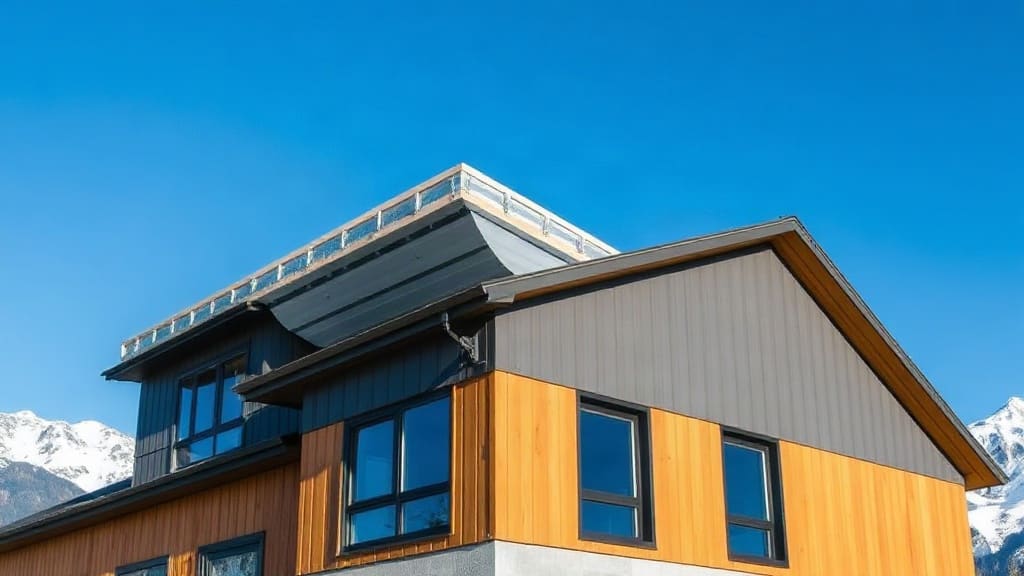
When you think about insulating a building in Canada, you need a material that can handle extreme temperature swings, from scorching summers to bone-chilling winters. EPS insulation has quietly become a go-to solution for builders and homeowners who want reliable performance without breaking the bank. But what exactly makes expanded polystyrene so appealing, and how does it fit into modern construction methods like sandwich panels Canada and insulated roof panels? Let's dig into the details.
What Is EPS Insulation and Why Does It Matter?
EPS, or expanded polystyrene, is a rigid foam made from polystyrene beads that are expanded using steam and then molded into various shapes. It's the same material you often see in disposable coffee cups and packaging, but in construction, it's produced in large boards with specific densities and thicknesses to provide thermal resistance.
The key benefit of EPS is its closed-cell structure, which traps air and slows down heat transfer. Unlike some other insulation types, EPS doesn't absorb water easily, and it maintains its R-value over time. In Canada, where building codes demand high thermal performance, EPS offers a cost-effective way to meet those standards.
How EPS Compares to Other Insulation Materials
You might wonder how EPS stacks up against polyurethane, XPS, or mineral wool. Here's a quick comparison:
- R-value per inch: EPS typically ranges from R-3.6 to R-4.2 per inch, depending on density. XPS is slightly higher (around R-5), but EPS is more affordable.
- Moisture resistance: EPS has good moisture resistance, though XPS is often considered better for below-grade applications. However, EPS performs well in above-grade walls and roofs when properly installed.
- Environmental impact: EPS is recyclable and has a lower global warming potential compared to some foam insulations that use blowing agents with high GWP.
- Cost: EPS is generally the most budget-friendly rigid foam insulation, making it attractive for large projects.
For many Canadian builders, EPS hits the sweet spot between performance and price.
EPS in Sandwich Panels: A Match Made for Efficiency
Sandwich panels Canada manufacturers have embraced EPS as a core material because it delivers excellent insulation with minimal weight. A sandwich panel consists of two rigid facings (often metal, but sometimes fiberglass or other materials) bonded to an insulating core. When that core is EPS, you get a panel that is strong, lightweight, and highly insulating.
These panels are prefabricated in controlled factory conditions, which ensures consistent quality and reduces on-site labor. They're used for walls, roofs, and even cold storage facilities. In Canada, where construction seasons can be short, the speed of assembly with sandwich panels is a major advantage.
Why EPS Core Panels Are Popular in Canada
Canadian buildings face unique challenges: heavy snow loads, high winds, and temperature fluctuations that can cause condensation. EPS core panels address these issues effectively:
- Thermal bridging: The continuous insulation provided by EPS panels minimizes thermal bridging, which is a common problem in traditional framed walls.
- Air tightness: The factory-applied facings and precise manufacturing create tight joints, reducing air leakage.
- Durability: EPS doesn't rot, mold, or support vermin, and it retains its shape over time.
- Design flexibility: Panels can be customized in thickness and length to meet specific project requirements.
Whether you're building a warehouse, a retail store, or a residential addition, EPS sandwich panels offer a streamlined solution.
Insulated Roof Panels: The Role of EPS
When it comes to roofs, insulated roof panels are a game-changer. These panels combine structural strength, weatherproofing, and insulation in one product. EPS is often the insulation of choice for these panels because it provides consistent thermal performance and is lightweight, reducing the load on the building structure.
In Canada, where roofs must handle snow accumulation and freeze-thaw cycles, EPS-core roof panels are engineered to meet strict building codes. They are typically finished with a metal skin that reflects sunlight in summer and helps retain heat in winter.
Benefits of EPS in Roof Panels
Using EPS in insulated roof panels brings several advantages:
- Energy savings: The high R-value of EPS reduces heat loss, lowering heating costs in winter and cooling costs in summer.
- Moisture control: EPS resists water absorption, so it won't lose insulation value if exposed to occasional moisture during installation.
- Fast installation: Roof panels are installed in large sections, speeding up construction and reducing labor costs.
- Longevity: EPS maintains its performance for decades when properly protected by the panel facings.
For flat or low-slope roofs, EPS insulated panels are a practical and efficient choice.
How to Choose the Right EPS Insulation for Your Project
Not all EPS is created equal. Density, thickness, and manufacturer quality vary. Here are some tips to select the right product:
- Determine required R-value: Check local building codes for minimum R-values for walls and roofs. In Canada, this varies by region, but generally, higher R-values are needed in colder climates.
- Consider density: Higher density EPS (e.g., 1.5 lb/ft³ or more) offers better compressive strength and slightly higher R-value per inch. It's often used in roofing and below-grade applications.
- Check certifications: Look for products that meet ASTM C578 standards and have third-party certifications like UL or Intertek.
- Evaluate moisture management: While EPS is moisture resistant, proper detailing and vapor barriers are still essential to prevent condensation within the assembly.
- Think about fire performance: EPS can be treated with flame retardants to meet fire safety standards. Ensure the product complies with Canadian fire codes.
Working with an experienced supplier or contractor can help you navigate these choices.
Environmental and Economic Considerations
EPS insulation is often criticized for being petroleum-based, but its environmental profile is more nuanced. It requires less energy to produce than many alternatives, and it can be recycled into new products. Some manufacturers now offer EPS with recycled content. From an economic standpoint, EPS reduces energy bills and can lower construction costs due to its affordability and ease of installation.
In Canada, where energy efficiency incentives and rebates are available, choosing EPS can also help you qualify for programs that reward high-performance buildings.
Frequently Asked Questions About EPS Insulation
Is EPS insulation suitable for Canadian winters?
Absolutely. EPS maintains its R-value in cold temperatures and is used extensively in Canadian construction. It performs well as long as it's installed correctly with proper moisture barriers.
Can EPS be used in sandwich panels for exterior walls?
Yes, EPS is a common core material in sandwich panels for exterior walls. It provides excellent thermal insulation and is lightweight, making installation faster and easier.
How does EPS compare to polyurethane in insulated roof panels?
Polyurethane has a higher R-value per inch, but EPS is more cost-effective and still delivers strong performance. For many projects, EPS offers a better balance of price and efficiency.
Does EPS insulation require a vapor barrier?
In most Canadian climates, a vapor barrier is recommended on the warm side of the insulation to prevent moisture migration. However, EPS itself is not a vapor barrier, so proper assembly design is key.
Is EPS insulation environmentally friendly?
EPS is recyclable and has a relatively low environmental impact compared to some other foam insulations. Choosing EPS with recycled content further improves its sustainability.
EPS insulation may not be the flashiest building material, but it's a workhorse that delivers where it counts: thermal performance, durability, and cost savings. Whether you're specifying sandwich panels Canada for a commercial project or insulated roof panels for a residential retrofit, EPS deserves a closer look. With the right design and installation, it can help you build a more comfortable, energy-efficient space that stands up to Canada's climate.