
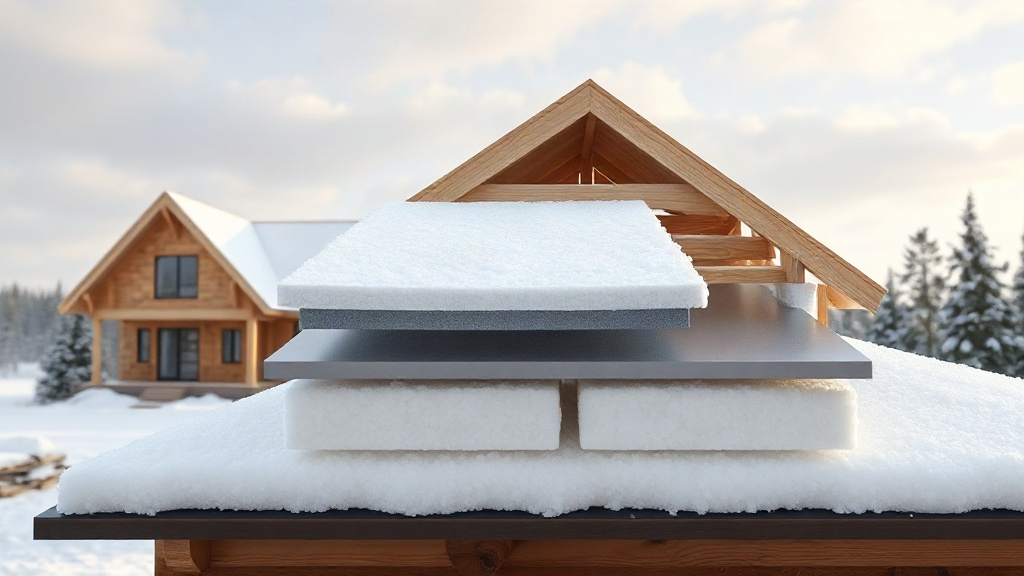
When planning a roof for a Canadian home or commercial building, the choice of insulation can make or break your energy bills. With harsh winters and hot summers, you need a system that performs year-round. EPS insulation and sandwich panels Canada are two popular options, but they serve different needs. This guide breaks down their differences, benefits, and best uses so you can decide which is right for your project.
What Is EPS Insulation?
EPS, or expanded polystyrene, is a rigid foam insulation made from polystyrene beads expanded with steam. It's lightweight, affordable, and widely used in walls, roofs, and foundations. In Canada, EPS is a staple because it resists moisture and maintains its R-value over time. Unlike some insulation types, EPS doesn't absorb water, so it won't lose performance in damp conditions. It's also easy to cut and install, making it a favorite for DIYers and pros alike.
However, EPS alone isn't a structural material. It needs a supporting framework, such as wood or steel studs, and a separate weather barrier. That's where sandwich panels come in.
What Are Sandwich Panels?
Sandwich panels Canada manufacturers produce are composite building materials made of two rigid facings (often metal or oriented strand board) bonded to an insulating core. The core can be EPS, polyurethane, or mineral wool. These panels are prefabricated, meaning they arrive ready to install. They provide structure, insulation, and weather resistance in one product. For roofs, insulated roof panels are a type of sandwich panel designed specifically for overhead applications. They span between supports and create a finished ceiling and roof surface.
Key Differences Between EPS Insulation and Sandwich Panels
Installation and Labor
EPS insulation is typically installed on-site. You frame the roof, then cut and fit EPS boards between rafters or over sheathing. This takes time and careful sealing to avoid gaps. Sandwich panels, on the other hand, are prefabricated and arrive as large, lightweight sections. They install quickly with fewer workers, reducing labor costs. For a 2,000 sq ft roof, installing EPS might take several days, while sandwich panels could be done in one or two days.
Thermal Performance
EPS has an R-value of about 3.8 to 4.4 per inch. Sandwich panels with an EPS core offer similar R-values per inch, but because they're thicker and have fewer thermal bridges, they often perform better overall. Panels with polyurethane cores can reach R-6 to R-7 per inch. In Canada, where effective R-values matter, the continuous insulation of sandwich panels reduces heat loss significantly.
Moisture and Air Tightness
EPS is closed-cell and resists moisture, but joints between boards can let air and water vapor through if not sealed properly. Sandwich panels have factory-sealed joints and often include gaskets, creating a tight building envelope. This reduces the risk of condensation and mold, a common concern in Canadian climates.
Cost
EPS insulation is cheaper per square foot for materials, but you'll need to add framing, sheathing, and labor. Sandwich panels cost more upfront, but they can save on framing and labor, and they may qualify for energy rebates. For a typical Canadian home, the total installed cost of EPS might be $2 to $3 per sq ft, while sandwich panels range from $4 to $8 per sq ft, depending on core and facing.
When to Choose EPS Insulation
EPS is a great choice for retrofits or projects with tight budgets. If you already have a framed roof and just need to boost insulation, EPS boards are easy to add. They're also ideal for flat roofs where you can lay them over an existing membrane. For DIYers, EPS is forgiving and available at most Canadian building centers.
When to Choose Sandwich Panels
Sandwich panels shine in new construction, especially for commercial or agricultural buildings where speed and durability matter. They're also excellent for cold storage facilities and homes aiming for net-zero energy. If you want a finished ceiling and roof in one step, insulated roof panels eliminate the need for separate drywall and insulation. In Canada, many prefab home kits use sandwich panels for their efficiency.
Hybrid Approaches
You don't have to pick one or the other. Some builders use EPS insulation between rafters and then add sandwich panels as the roof deck. This combines the affordability of EPS with the airtightness of panels. However, this can be overkill and may not be cost-effective. A better hybrid is to use EPS insulation in walls and sandwich panels Canada for the roof, optimizing each material's strengths.
Environmental Impact
EPS is recyclable and often contains recycled content. Sandwich panels with EPS cores are also recyclable, but the facings may be harder to separate. Both reduce energy consumption over their lifetime, which is the biggest environmental benefit. In Canada, choosing either can help meet energy codes like the National Building Code's Tier 3 or 4.
Making the Decision
Start by assessing your project: Is it new construction or a retrofit? What's your budget? How soon do you need it done? For a quick, airtight roof in a cold climate, sandwich panels are hard to beat. For a budget-friendly upgrade on an existing roof, EPS insulation is a solid choice. If you're unsure, consult a local builder familiar with Canadian codes. And remember, proper installation is key to performance, no matter which you choose.
Frequently Asked Questions
Can I use EPS insulation alone for a roof in Canada?
Yes, but you'll need a supporting structure, a weather barrier, and proper ventilation. EPS alone doesn't provide structural support or a finished surface.
Are sandwich panels suitable for residential roofs?
Absolutely. Many Canadian homeowners use insulated roof panels for their homes, especially in prefab or timber frame construction. They offer fast installation and excellent energy efficiency.
What R-value do I need for a roof in Canada?
It depends on your climate zone. In most of Canada, aim for R-50 to R-60 in the roof. Check your provincial building code for exact requirements.
How long do sandwich panels last?
With proper installation and maintenance, sandwich panels can last 50 years or more. The metal facings are durable, and the EPS core doesn't degrade.
Can I install sandwich panels over existing shingles?
It's possible but not recommended. It's better to remove old roofing to inspect the deck and ensure proper flashing. Always follow manufacturer guidelines.