
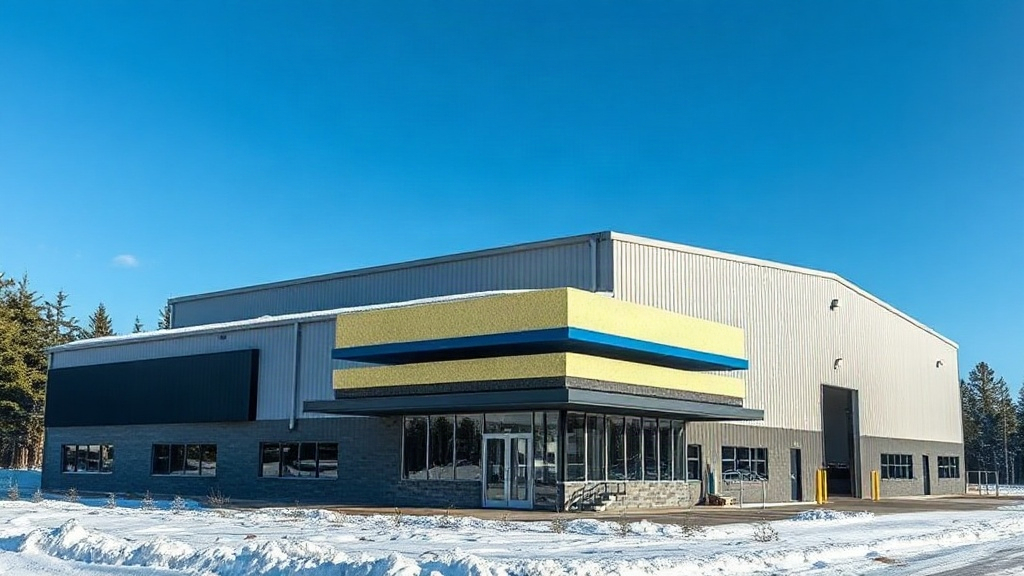
When you're planning a building project in Canada, whether it's a new home, a commercial warehouse, or an agricultural facility, you've likely come across the term EPS insulation. Expanded polystyrene (EPS) has become a go-to material for insulating roofs, walls, and floors, thanks to its excellent thermal performance and affordability. But how does it fit into modern construction systems like sandwich panels? In this guide, we'll dive into the world of sandwich panels Canada and insulated roof panels, showing you how EPS insulation can make your building more energy-efficient and comfortable, even in the harshest Canadian climates.
What Is EPS Insulation and Why Does It Matter?
EPS insulation is a rigid, lightweight foam made from expanded polystyrene beads. It's known for its high R-value per inch, meaning it provides effective thermal resistance without adding excessive thickness. Unlike some other insulation materials, EPS is moisture-resistant, doesn't degrade over time, and is fully recyclable. In Canada, where temperature swings can be extreme, EPS insulation helps maintain consistent indoor temperatures, reducing heating and cooling costs.
But EPS isn't just for walls. When integrated into sandwich panels Canada, it becomes a core component that delivers structural integrity and insulation in one package. These panels consist of two rigid facings (often metal, but sometimes other materials) bonded to an insulating core. The result is a strong, lightweight building element that can be used for walls, roofs, and even floors.
The Role of EPS in Sandwich Panels
Sandwich panels are a popular choice in Canadian construction because they offer fast installation, superior insulation, and design flexibility. The EPS core is typically 50 to 200 mm thick, depending on the required R-value. The facings can be made of steel, aluminum, or even oriented strand board (OSB), and they are bonded to the EPS using adhesives that ensure a strong, durable bond.
One of the key advantages of using EPS in sandwich panels is its consistent thermal performance. Unlike fibrous insulation, EPS doesn't settle or compress over time, so its R-value remains stable throughout the life of the building. This reliability is crucial for meeting Canada's stringent energy codes, such as the National Energy Code for Buildings (NECB).
Types of Sandwich Panels with EPS Core
- Insulated roof panels: These are designed for roof applications and often feature profiled metal facings for weather resistance. They can be used on flat or pitched roofs.
- Wall panels: Typically have a flat or lightly profiled surface and are used for exterior walls, interior partitions, and cold storage rooms.
- Cold storage panels: These are specialized panels with thicker EPS cores and sealed joints to maintain sub-zero temperatures.
Why Choose Insulated Roof Panels with EPS?
When it comes to roofing, insulated roof panels with EPS cores offer a range of benefits that make them ideal for Canadian buildings. First, they provide continuous insulation, eliminating thermal bridging that can occur with traditional roof assemblies. This means fewer energy losses and lower utility bills.
Second, these panels are lightweight, which reduces the structural load on the building frame. This can lead to savings on foundation and framing costs. Third, they are quick to install. A crew can cover a large roof area in a fraction of the time compared to built-up roofs with separate insulation and membrane layers.
Finally, EPS insulated roof panels are durable. The EPS core is rot-proof and resistant to moisture, and the metal facings protect against UV radiation, rain, and snow. With proper installation, these panels can last 30 years or more with minimal maintenance.
Thermal Performance in Canadian Climates
In Canada, the required R-value for roofs varies by region. For example, in Toronto, the minimum R-value for a flat roof is around R-30, while in colder areas like Winnipeg, it can be R-40 or higher. EPS has an R-value of approximately R-4 per inch, so a 8-inch thick EPS core would give you R-32. By using thicker panels or combining EPS with other insulation, you can easily meet or exceed these requirements.
It's also important to consider the impact of temperature on thermal performance. EPS maintains its R-value well at low temperatures, unlike some polyisocyanurate insulations that lose performance in the cold. This makes EPS a reliable choice for Canadian winters.
Applications of EPS Sandwich Panels in Canada
EPS sandwich panels are versatile and can be found in a variety of building types across Canada:
- Residential: Home additions, garages, and even entire homes are being built with structural insulated panels (SIPs) that use EPS cores.
- Commercial: Warehouses, retail stores, and office buildings often use insulated roof panels for their energy efficiency and fast construction.
- Industrial: Manufacturing plants and cold storage facilities rely on EPS panels for temperature control and hygiene.
- Agricultural: Barns, poultry houses, and greenhouses use EPS panels to maintain stable environments.
Installation Tips for EPS Insulated Roof Panels
Proper installation is key to maximizing the benefits of insulated roof panels. Here are some practical tips:
- Plan the layout: Before installation, plan the panel layout to minimize cuts and waste. Consider the direction of the panels and how they will align with the building's structure.
- Ensure proper support: Panels should be supported by purlins or rafters spaced according to the manufacturer's recommendations. This prevents sagging and ensures structural integrity.
- Seal joints: Use appropriate sealants and gaskets to prevent air and water infiltration. This is critical for thermal performance and moisture control.
- Handle with care: Although EPS panels are durable, they can be damaged if mishandled. Avoid dropping them or walking on them excessively during installation.
- Follow manufacturer guidelines: Each panel system has specific installation requirements. Always refer to the manufacturer's instructions for correct fastening, sealing, and flashing details.
Common Mistakes to Avoid with EPS Insulation
Even though EPS insulation is forgiving, there are pitfalls to watch out for. One common mistake is using panels with insufficient thickness for the climate zone. Always calculate the required R-value based on local building codes. Another mistake is poor sealing of joints, which can lead to air leakage and moisture problems. Also, avoid exposing EPS to direct sunlight for extended periods before installation, as UV rays can degrade the foam. Finally, don't forget to account for thermal expansion and contraction when designing the panel system.
Frequently Asked Questions
How does EPS insulation compare to other insulation materials for roof panels?
EPS offers a good balance of cost and performance. It has a lower R-value per inch than polyisocyanurate or polyurethane, but it is more affordable and maintains its R-value better in cold temperatures. For many Canadian roofing applications, EPS provides sufficient insulation at a lower cost.
Can EPS sandwich panels be used in high-humidity environments?
Yes, EPS is closed-cell and does not absorb water, so it performs well in humid conditions. However, proper sealing of panel joints is essential to prevent moisture ingress. In very humid environments, additional vapor barriers may be required.
What is the typical lifespan of EPS insulated roof panels?
With proper installation and maintenance, EPS insulated roof panels can last 30 to 50 years. The metal facings are durable and resistant to corrosion, and the EPS core does not degrade over time.
Are EPS sandwich panels environmentally friendly?
EPS is recyclable and can be reused in new products. It also contributes to energy efficiency, reducing a building's carbon footprint over its lifetime. Some manufacturers offer EPS with recycled content.
How do I calculate the required thickness of EPS for my roof?
Determine the required R-value from your local building code, then divide by the R-value per inch of EPS (about 4). For example, if you need R-40, you'll need about 10 inches of EPS. Always consult a professional to ensure compliance.
By understanding the benefits and best practices of EPS insulation in sandwich panels, you can make informed decisions for your next building project in Canada. Whether you're retrofitting an existing roof or constructing a new facility, EPS insulated roof panels offer a reliable, efficient solution that stands up to Canadian weather.