
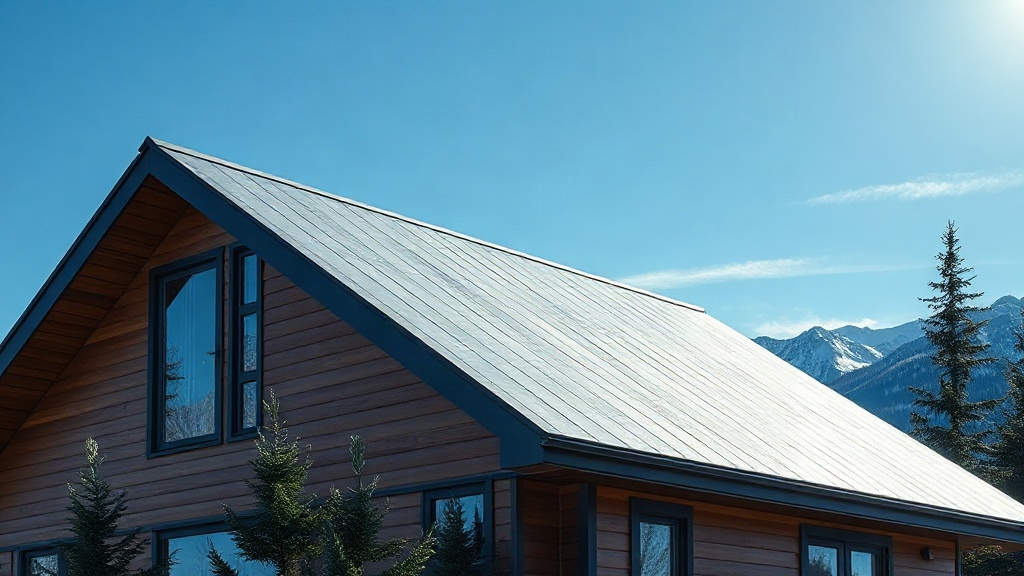
If you're a homeowner in Canada, you know the struggle of keeping your house warm in winter and cool in summer without breaking the bank. The roof is one of the biggest culprits for energy loss, and traditional insulation methods often fall short. That's where insulated roof panels come in. These innovative building components combine structural support with high-performance EPS insulation, creating a seamless thermal envelope that can slash your energy bills and improve indoor comfort year-round. In this guide, we'll explore everything you need to know about insulated roof panels, from their composition and benefits to installation considerations and cost savings. Whether you're building a new home, renovating, or simply looking to upgrade your roof, understanding your options is the first step toward a more efficient and sustainable living space.
What Are Insulated Roof Panels?
Insulated roof panels, also known as insulated sandwich panels, are prefabricated building elements consisting of an insulating core sandwiched between two structural facings. The core is typically made of rigid foam such as expanded polystyrene (EPS), polyurethane (PUR), or polyisocyanurate (PIR). The facings can be oriented strand board (OSB), plywood, metal, or even cement board, depending on the application. These panels are engineered to provide exceptional thermal resistance while serving as the roof deck or finished ceiling.
In Canada, where temperature swings can be extreme, sandwich panels Canada manufacturers have refined their products to meet stringent building codes and energy standards. The panels are lightweight, easy to install, and offer continuous insulation without thermal bridging, which is a common problem with traditional stick-framed roofs.
The Role of EPS Insulation in Roof Panels
EPS insulation is a popular choice for the core of insulated roof panels due to its excellent thermal performance, moisture resistance, and affordability. EPS is a rigid, closed-cell foam made from expanded polystyrene beads. It has an R-value of approximately R-4 per inch, meaning a 4-inch thick EPS core provides around R-16. When combined with other insulation layers, EPS panels can achieve very high R-values, making them suitable for even the coldest Canadian climates.
One of the key advantages of EPS is that it does not absorb water, so it maintains its insulating properties even in damp conditions. It is also resistant to mold and mildew, contributing to healthier indoor air quality. Moreover, EPS is recyclable and has a lower environmental impact compared to some other foam insulations.
Comparing EPS with Other Insulation Materials
While EPS is a strong contender, it's worth comparing it to other common core materials:
- Polyurethane (PUR): Higher R-value per inch (around R-6 to R-7) but more expensive.
- Polyisocyanurate (PIR): Similar to PUR but with improved fire performance; also pricier.
- Mineral wool: Non-combustible and sound-absorbing, but heavier and lower R-value per inch.
- XPS: Higher R-value than EPS and moisture resistant, but more costly and less environmentally friendly.
For many Canadian homeowners, EPS strikes the best balance between performance, cost, and sustainability.
Benefits of Insulated Roof Panels
Investing in insulated roof panels offers a multitude of benefits that go beyond energy savings. Let's break them down.
1. Superior Energy Efficiency
By providing continuous insulation across the entire roof surface, these panels eliminate thermal bridging and reduce heat loss dramatically. This means your heating system doesn't have to work as hard, leading to lower utility bills. In fact, many homeowners report savings of up to 30% on heating and cooling costs after installing insulated roof panels.
2. Enhanced Comfort
Insulated roof panels help maintain a consistent indoor temperature, eliminating hot and cold spots. They also reduce noise from rain, hail, and traffic, creating a quieter living environment.
3. Faster Installation
Because they are prefabricated, insulated roof panels can be installed quickly, often in a fraction of the time required for traditional roof framing and insulation. This reduces labor costs and minimizes disruption to your daily life.
4. Durability and Weather Resistance
These panels are designed to withstand harsh weather conditions, including high winds, snow loads, and UV exposure. The facings protect the insulation core from moisture and physical damage, ensuring a long lifespan.
5. Design Flexibility
Insulated roof panels are available in various thicknesses, facings, and finishes, allowing you to achieve your desired aesthetic and performance goals. They can be used for flat roofs, pitched roofs, and even walls.
Applications in Canadian Climates
Canada's diverse climate zones demand roofing solutions that can handle everything from coastal rain to prairie blizzards. Insulated roof panels are up to the challenge. In colder regions, the high R-value helps prevent ice damming by keeping the roof deck warm and reducing snow melt refreezing at the eaves. In milder areas, the panels still provide excellent thermal control and moisture management.
Whether you're building a home in Vancouver, Calgary, or Halifax, you can find sandwich panels Canada suppliers that cater to your specific climate needs. Many manufacturers offer panels with enhanced fire ratings and moisture barriers to comply with local building codes.
Installation Considerations
Proper installation is critical to maximizing the performance of insulated roof panels. While the process is relatively straightforward, it's best left to experienced professionals. Here are some key points to keep in mind:
- Structural Support: Ensure your roof structure can handle the weight of the panels. Although lightweight, they still require adequate framing.
- Sealing and Fastening: Use appropriate fasteners and sealants to prevent air and water infiltration. Pay special attention to joints and penetrations.
- Ventilation: While insulated roof panels reduce the need for ventilation, some designs may require a vented cavity to manage moisture.
- Building Codes: Check local building codes for insulation requirements and fire safety standards. In Canada, the National Building Code sets minimum R-values for roofs, which vary by region.
Working with a certified installer who has experience with insulated roof panels will ensure a proper fit and finish.
Cost and Savings Analysis
The upfront cost of insulated roof panels can be higher than traditional roofing materials, but the long-term savings often justify the investment. On average, insulated roof panels cost between $8 and $15 per square foot installed, depending on thickness, facings, and labor. However, you may qualify for government rebates and incentives for energy-efficient upgrades, such as the Canada Greener Homes Grant.
Over time, the energy savings can offset the initial cost. A well-insulated roof can reduce your heating and cooling expenses by 20-30%, and it also increases your home's resale value. Additionally, the durability of these panels means fewer repairs and replacements down the line.
Environmental Impact
Insulated roof panels contribute to a more sustainable built environment. EPS insulation is recyclable and can be produced with recycled content. The panels themselves reduce energy consumption, lowering your carbon footprint. Moreover, many manufacturers follow eco-friendly practices, such as using low-VOC adhesives and minimizing waste during production.
By choosing insulated roof panels, you're not only saving money but also doing your part for the planet.
Frequently Asked Questions
Are insulated roof panels suitable for my Canadian home?
Yes, insulated roof panels are designed to perform well in all Canadian climates. They provide high R-values and moisture resistance, making them ideal for both new builds and retrofits. However, you should consult with a local contractor to ensure compliance with regional building codes.
How long do insulated roof panels last?
With proper installation and maintenance, insulated roof panels can last 30 to 50 years or more. The facings are durable and resistant to weathering, while the EPS core retains its insulating properties indefinitely if kept dry.
Can I install insulated roof panels over my existing roof?
In many cases, yes. Insulated roof panels can be installed over an existing roof structure, but you'll need to assess the condition of the old roof and ensure it can support the added weight. It's best to consult a professional for an evaluation.
What is the R-value of EPS insulation in roof panels?
EPS insulation typically has an R-value of about R-4 per inch. So a 4-inch thick panel would provide around R-16. However, the overall R-value of the panel depends on the thickness of the EPS core and the facings.
Do insulated roof panels require maintenance?
Insulated roof panels are low-maintenance. Periodic inspections for damage, such as cracks or loose fasteners, are recommended. Cleaning the surface with mild soap and water can help maintain its appearance.
Making the Right Choice for Your Roof
Insulated roof panels offer a smart, efficient, and durable solution for Canadian homeowners. By combining structural integrity with high-performance EPS insulation, they deliver comfort, savings, and peace of mind. Whether you're building a new home or upgrading an existing one, consider insulated roof panels for a roof that works as hard as you do. With the right planning and installation, you'll enjoy a warmer, quieter, and more energy-efficient home for years to come.