
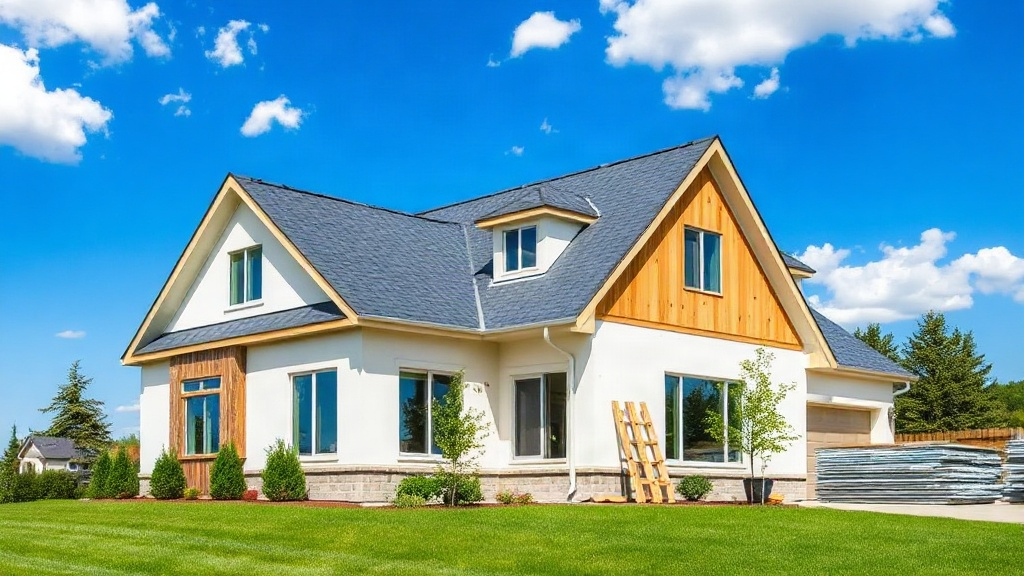
When you're upgrading your home's roof, the choice of insulation can make or break your energy bills and indoor comfort. EPS insulation (expanded polystyrene) has become a go-to core material for many homeowners seeking an affordable, high-performance solution. In this guide, we'll dive into insulated roof panels that use EPS as their insulating core, explaining why they're gaining traction across Canada and beyond. Whether you're building new or retrofitting, understanding these panels can save you thousands over the life of your home.
What Are Insulated Roof Panels with EPS Core?
Insulated roof panels are structural building components that combine an insulating foam core with protective facings, typically metal or oriented strand board (OSB). When the core is made of EPS, you get a lightweight, rigid panel that delivers excellent thermal resistance. EPS is a closed-cell foam made from expanded polystyrene beads, and it's known for its cost-effectiveness and moisture resistance. These panels are often referred to as sandwich panels Canada when manufactured to Canadian standards, which demand specific thermal and structural performance.
Unlike traditional insulation methods that require separate layers of sheathing, insulation, and roofing material, these panels integrate everything into one product. This simplifies installation and reduces thermal bridging, a common problem where heat escapes through framing members.
How EPS Core Panels Are Constructed
Manufacturers start with a block of expanded polystyrene, which is cut into large sheets. These sheets are then laminated between two facings under heat and pressure. The facings can be metal (steel or aluminum), plywood, or OSB. The result is a strong, dimensionally stable panel that can span purlins or rafters without sagging. The EPS core density typically ranges from 1 to 2 pounds per cubic foot, balancing weight and insulation value.
For Canadian climates, panels often come with tongue-and-groove edges to ensure a tight seal between panels, minimizing air leakage. Some products also include a radiant barrier facing to further boost performance in hot summers.
Why Choose EPS Insulation for Your Roof?
EPS offers several advantages that make it a smart choice for roof insulation. Let's break down the key benefits.
Thermal Performance and Energy Savings
EPS has an R-value of approximately 3.8 to 4.4 per inch, depending on density. A typical 4-inch panel provides R-16, while thicker panels can reach R-30 or more. This means your heating and cooling systems don't have to work as hard, translating to lower utility bills. In Canada, where temperature swings are extreme, this consistent insulation helps maintain a comfortable indoor environment year-round.
Moisture Resistance and Durability
EPS is inherently water-resistant, and when properly sealed, it won't absorb moisture like fiberglass or cellulose. This prevents mold growth and maintains insulation performance over time. The facings add an extra layer of protection against the elements. With proper installation, insulated roof panels can last 30 years or more.
Lightweight and Easy to Install
Compared to concrete or other heavy roofing systems, EPS-core panels are lightweight, often weighing less than 3 pounds per square foot. This reduces structural load and makes installation faster. A crew can cover a typical roof in a fraction of the time required for traditional stick-built insulation. Many panels are pre-cut and ready to install with basic tools.
Applications: Where Do These Panels Shine?
EPS-core insulated roof panels are versatile and suitable for various building types:
- Residential homes: Ideal for new construction and retrofits, especially in attics and cathedral ceilings.
- Commercial and industrial buildings: Used in warehouses, cold storage, and agricultural facilities where temperature control is critical.
- Canada-wide projects: Meeting Canadian building codes, these panels are popular in regions with harsh winters.
They are also a staple in sandwich panels Canada market, where energy efficiency and durability are top priorities.
Installation Tips for Homeowners and Contractors
While professional installation is recommended, understanding the process helps you make informed decisions. Here are key steps:
- Prepare the roof deck: Ensure the existing structure is sound and clean. Add a vapor barrier if required by local codes.
- Measure and cut panels: Use a fine-tooth saw or hot wire cutter to avoid damaging the EPS core. Wear protective gear.
- Install panels: Start from the bottom edge and work upward, interlocking tongue-and-groove edges. Fasten with screws designed for the panel type.
- Seal joints: Apply appropriate sealant or tape to prevent air and moisture infiltration.
- Finish with roofing: Add your chosen roofing material (shingles, metal, etc.) over the panels.
Always follow manufacturer guidelines and local building codes. In Canada, check for compliance with the National Building Code.
Cost Considerations: Are They Worth It?
The upfront cost of insulated roof panels may be higher than traditional insulation, but the long-term savings often justify the investment. Prices vary based on thickness, facings, and region. On average, you might pay $4 to $10 per square foot in Canada. However, you'll save on labor (faster installation) and energy bills (reduced heating and cooling). Many homeowners recoup the cost within 5 to 10 years.
Additionally, some Canadian provinces offer rebates for energy-efficient upgrades, which can offset initial costs. Consult local programs for incentives.
Common Mistakes to Avoid
Even with high-quality panels, poor installation can undermine performance. Watch out for:
- Improper sealing: Gaps allow air leakage, reducing R-value.
- Using incompatible fasteners: This can cause corrosion or structural failure.
- Neglecting ventilation: While EPS panels reduce the need for ventilation, some roof designs still require it to prevent moisture buildup.
- Ignoring thermal bridging: Ensure continuous insulation across the roof.
Frequently Asked Questions
How does EPS insulation compare to polyurethane for roof panels?
EPS is generally less expensive and offers good moisture resistance, but polyurethane has a higher R-value per inch (around R-6 to R-7). For budget-conscious projects, EPS is a solid choice. For maximum thermal performance in limited space, polyurethane might be better.
Can I install insulated roof panels over an existing roof?
Yes, many panels are designed for retrofit applications. You can install them over an existing roof deck, but you'll need to ensure the structure can handle the added weight and that proper flashing is used. Consult a professional to assess your specific situation.
Are EPS-core panels fire-resistant?
EPS contains flame retardants, but it can still burn. Building codes require a thermal barrier (like drywall) over foam insulation in interior applications. For roof panels, the metal or OSB facings provide some fire resistance. Always check local fire codes.
What R-value do I need for my Canadian home?
It depends on your climate zone. In Canada, recommended R-values for roofs range from R-40 to R-60. EPS panels can achieve these values with sufficient thickness. For example, a 10-inch panel provides about R-40. Consult a local energy advisor for precise requirements.
How long do EPS insulated roof panels last?
With proper installation and maintenance, they can last 30 to 50 years. The EPS core doesn't degrade, and facings protect it from UV and moisture. Regular inspections help ensure longevity.
Choosing the right insulation for your roof is a decision you'll live with for decades. EPS-core insulated roof panels offer a compelling mix of performance, affordability, and ease of installation. Whether you're in Canada or elsewhere, they're worth considering for your next roofing project. For personalized calculations on how much insulation you need, try our EPS insulation calculator at epsinsulationcalculator.com.