
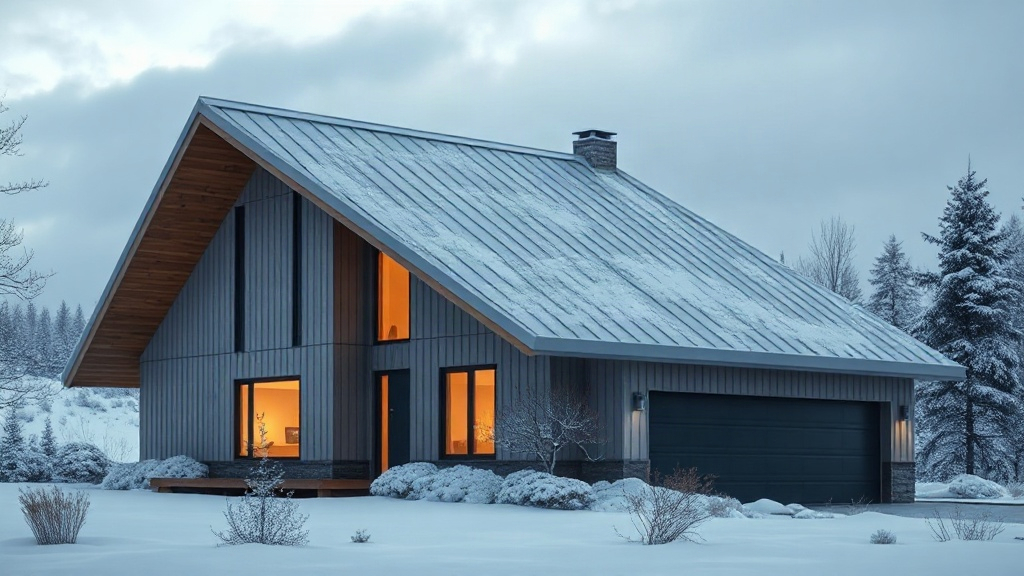
When it comes to improving your home's energy efficiency, the roof often gets overlooked. Yet, it's one of the biggest culprits for heat loss in winter and heat gain in summer. If you're tired of high energy bills and rooms that never feel quite comfortable, insulated roof panels might be the solution you've been searching for. These panels combine structural strength with thermal insulation, offering a streamlined way to upgrade your home's envelope. In this guide, we'll walk you through everything you need to know about insulated roof panels, from how they work to why EPS insulation is a smart choice. Whether you're building new or retrofitting, understanding these panels can save you money and keep your home cozy year-round.
What Are Insulated Roof Panels?
Insulated roof panels, also known as sandwich panels, are composite building materials made of two outer layers (skins) bonded to a rigid insulating core. The skins are typically metal, but can also be oriented strand board (OSB) or plywood, while the core is usually foam insulation like expanded polystyrene (EPS), polyurethane (PUR), or polyisocyanurate (PIR). These panels are prefabricated in controlled factory conditions, ensuring consistent quality and thermal performance. They are used in both residential and commercial construction for roofs, walls, and sometimes floors.
The beauty of insulated roof panels lies in their dual function: they provide structural support and insulation in one product. This eliminates the need for separate framing and insulation materials, speeding up construction and reducing labor costs. For homeowners, this means a faster project timeline and fewer chances for installation errors that can compromise energy efficiency.
Why Choose Insulated Roof Panels?
There are several compelling reasons to consider insulated roof panels for your next roofing project. Let's break down the key benefits.
Energy Efficiency
The primary advantage is superior thermal performance. The insulating core creates a continuous barrier against heat transfer, minimizing thermal bridging that occurs with traditional rafters and batt insulation. This can lead to significant reductions in heating and cooling costs. For example, a home with poorly insulated roof might lose up to 25% of its heat through the roof; insulated panels can slash that dramatically.
Durability and Weather Resistance
Insulated roof panels are engineered to withstand harsh weather conditions. The metal skins are often coated with protective finishes that resist corrosion, fading, and impact. The panels interlock tightly, creating a weather-tight seal that prevents water infiltration and air leakage. This durability means fewer maintenance issues and a longer lifespan compared to traditional roofing systems.
Fast Installation
Because they are prefabricated, insulated roof panels install quickly. A crew can cover a large roof area in a fraction of the time it takes to build up layers of sheathing, underlayment, and insulation on site. This speed reduces labor costs and minimizes disruption to your daily life.
Aesthetic Versatility
Modern insulated roof panels come in a variety of colors, profiles, and finishes. Whether you prefer a sleek standing seam metal look or a more traditional appearance, you can find panels to match your home's style. Some panels even mimic the look of shingles or tiles.
Materials Used in Insulated Roof Panels
The performance of insulated roof panels depends largely on the materials used. Let's examine the common options.
Insulation Core Options
- EPS Insulation: Expanded polystyrene is a popular choice due to its excellent insulation value, lightweight nature, and affordability. It offers an R-value of about 3.8 to 4.4 per inch, making it effective for many climates. EPS is also moisture-resistant and does not degrade over time.
- Polyurethane (PUR): This foam has a higher R-value per inch (around 6.0) but is more expensive. It's often used in applications where space is limited.
- Polyisocyanurate (PIR): Similar to PUR but with enhanced fire resistance. It also boasts a high R-value (around 6.5 per inch) and is commonly used in commercial buildings.
- Mineral Wool: Non-combustible and sound-absorbing, but heavier and with a lower R-value per inch (around 3.7). It's ideal for fire-sensitive applications.
Among these, EPS insulation strikes a balance between cost and performance, making it a favorite for residential projects.
Skin Materials
- Metal: Steel or aluminum skins are the most common. They are strong, durable, and can be coated with various finishes (e.g., polyester, PVDF) for added protection and aesthetics.
- OSB/Plywood: These wood-based skins are used when a nailbase is needed for attaching shingles or other roofing materials. They are often combined with foam insulation.
How Insulated Roof Panels Work
Insulated roof panels function as a system: the outer skin provides structural integrity and weather protection, the insulation core resists heat flow, and the inner skin (if present) adds rigidity and a finished interior surface. The panels are designed with tongue-and-groove or lap joints that interlock, creating a continuous insulation layer with minimal gaps. This design minimizes air leakage and thermal bridging, which are common weaknesses in traditional roof assemblies.
When installed correctly, the panels form a tight building envelope that helps maintain consistent indoor temperatures. In winter, they keep warmth inside; in summer, they block heat from entering. This reduces the workload on HVAC systems, leading to lower energy consumption and a smaller carbon footprint.
Installation Process: What to Expect
Installing insulated roof panels is a job best left to professionals, but understanding the process helps you plan. Here's a typical sequence:
- Assessment and Measurement: A contractor evaluates your roof structure, measures the area, and determines the required panel thickness and type based on your climate and building codes.
- Ordering Panels: Panels are custom-made to your specifications, including length, profile, and color.
- Preparation: The existing roof may need to be removed or prepared. For retrofits, panels can sometimes be installed over existing shingles, but this depends on local codes and structural capacity.
- Installation: Panels are lifted onto the roof and secured to the purlins or rafters using screws. The interlocking joints are sealed with gaskets or sealant. Ridge caps, flashings, and trim are added for a finished look.
- Inspection: A final inspection ensures proper installation and weather-tightness.
Depending on the size and complexity, installation can take a few days to a week. It's crucial to hire experienced installers who understand the nuances of panel systems.
Cost Considerations and Savings
Insulated roof panels have a higher upfront cost than traditional roofing materials. The panels themselves can range from $8 to $20 per square foot, plus installation. However, the long-term savings often outweigh the initial investment. Energy savings can be 20-30% on heating and cooling, and the durability reduces maintenance and replacement costs. Additionally, some regions offer tax incentives or rebates for energy-efficient upgrades, further offsetting the cost.
To estimate your potential savings, you can use an EPS insulation calculator to compare R-values and energy use. Many online tools, like those at epsinsulationcalculator.com, help you model different scenarios.
Common Applications
Insulated roof panels are used in various building types:
- Residential Homes: For new construction or roof replacements, especially in extreme climates.
- Commercial Buildings: Warehouses, factories, and retail spaces benefit from fast installation and energy efficiency.
- Agricultural Buildings: Barns and storage facilities use panels for temperature control and durability.
- Cold Storage: Panels with thick insulation maintain sub-zero temperatures.
In Canada, sandwich panels Canada are particularly popular due to the harsh climate. They provide reliable insulation against freezing winters and hot summers.
Choosing the Right Panels for Your Project
Selecting the appropriate insulated roof panels involves several factors:
- Climate: Colder regions require higher R-values. EPS insulation can be tailored in thickness to meet your needs.
- Building Codes: Ensure panels meet local fire, structural, and energy codes.
- Roof Structure: The panels must be compatible with your existing framing and load-bearing capacity.
- Aesthetics: Choose profiles and colors that complement your home's design.
- Budget: Balance upfront costs with long-term savings.
Consulting a professional can help you navigate these choices. They can also provide samples and detailed specifications.
Frequently Asked Questions
How long do insulated roof panels last?
With proper installation and maintenance, insulated roof panels can last 30 to 50 years or more. The metal skins are durable and resistant to corrosion, while the EPS core does not deteriorate. Regular inspections and minor repairs can extend their lifespan.
Can insulated roof panels be installed over existing shingles?
In some cases, yes, but it depends on local building codes and the condition of your existing roof. Installing over shingles adds weight and may require structural reinforcement. It's best to consult a contractor to determine the best approach for your home.
Are insulated roof panels environmentally friendly?
Yes, they can be. EPS insulation is recyclable, and the panels reduce energy consumption, lowering your carbon footprint. Some manufacturers use recycled content in the metal skins. Additionally, the panels' durability means less waste over time.
What is the R-value of insulated roof panels?
The R-value depends on the insulation material and thickness. EPS insulation typically provides R-3.8 to R-4.4 per inch. Panels can be made with varying thicknesses to achieve the desired R-value, often ranging from R-15 to R-40 or more.
Do insulated roof panels require maintenance?
They require minimal maintenance. Inspect annually for loose fasteners, sealant deterioration, or damage. Clean with mild soap and water to remove debris. Address any issues promptly to prevent water infiltration.
Final Thoughts
Insulated roof panels offer a modern, efficient solution for roofing that pays dividends in comfort and savings. By understanding the options and working with professionals, you can make an informed decision that benefits your home for decades. Whether you're building new or upgrading, consider the long-term value of a well-insulated roof.