
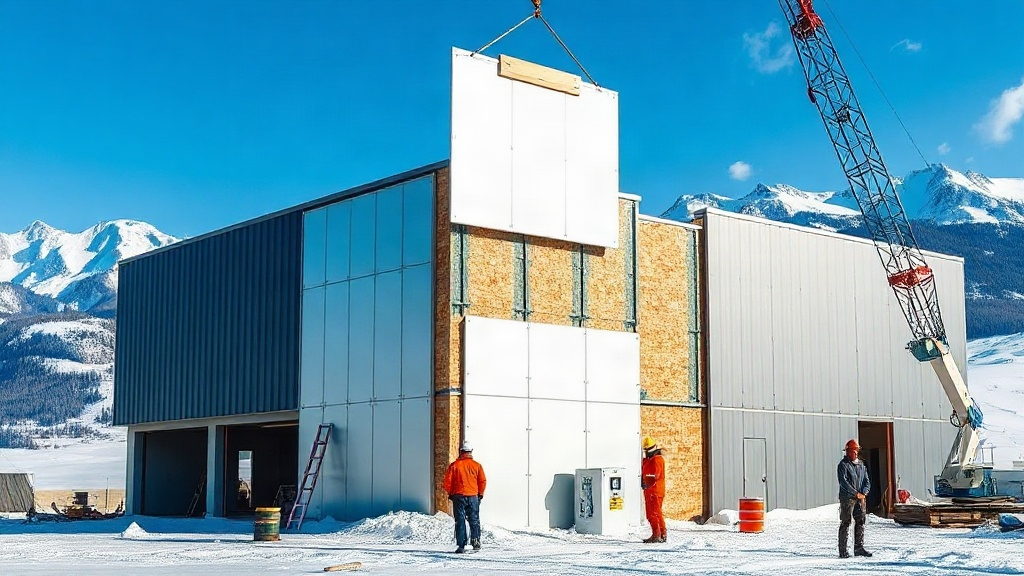
If you're planning a construction project in Canada, you've likely encountered the term sandwich panels. These composite building elements have become a staple in modern Canadian construction, thanks to their exceptional thermal performance and rapid installation. But what exactly are sandwich panels, and why are they gaining such traction from Vancouver to St. John's? This guide dives deep into the world of sandwich panels, tailored specifically for the Canadian climate and building codes.
What Are Sandwich Panels?
Sandwich panels, also known as insulated metal panels (IMPs) or structural insulated panels (SIPs), consist of two outer skins (often metal, but sometimes other materials) bonded to a thick insulating core. The core is typically made of polyurethane, polyisocyanurate, expanded polystyrene (EPS), or mineral wool. This construction creates a strong, lightweight, and highly insulating building component.
In Canada, sandwich panels are used for walls, roofs, and floors in commercial, industrial, and residential buildings. Their popularity stems from their ability to provide continuous insulation, eliminating thermal bridging and reducing energy costs.
Why Sandwich Panels Excel in the Canadian Climate
Canada's climate is notoriously harsh, with extreme temperature fluctuations, heavy snow loads, and high winds. Sandwich panels are engineered to withstand these conditions.
- Superior Insulation: The insulating core delivers high R-values per inch, keeping interiors warm in winter and cool in summer. For instance, a 4-inch polyurethane panel can achieve R-26, significantly reducing heating demands.
- Weather Resistance: The outer skins are often coated with protective finishes that resist corrosion, UV radiation, and moisture infiltration.
- Structural Integrity: Panels are designed to bear snow loads and wind pressures common in Canadian regions, ensuring safety and longevity.
Moreover, many panels meet the National Building Code of Canada (NBC) requirements for fire performance, an essential consideration for occupant safety.
Types of Sandwich Panels Available in Canada
Not all sandwich panels are created equal. The choice depends on your project's specific needs, budget, and local regulations.
Insulated Metal Panels (IMPs)
IMPs feature metal skins (steel or aluminum) with a foam or mineral wool core. They are popular for their durability, aesthetic appeal, and fast installation. IMPs are often used for architectural facades, cold storage facilities, and industrial buildings.
Structural Insulated Panels (SIPs)
SIPs consist of oriented strand board (OSB) or plywood skins with an EPS or polyurethane core. They are commonly used in residential construction for walls and roofs, offering excellent airtightness and energy efficiency. SIPs are a favorite among Canadian homebuilders aiming for net-zero energy homes.
Mineral Wool Core Panels
For projects requiring enhanced fire resistance, mineral wool core panels are an excellent choice. They can withstand temperatures up to 1000°C and are non-combustible, making them suitable for high-risk areas.
Key Benefits of Sandwich Panels for Canadian Builders
Builders across Canada are turning to sandwich panels for several compelling reasons:
- Speed of Construction: Panels arrive prefabricated, ready for quick assembly. This reduces labor costs and accelerates project timelines, a major advantage in Canada's short construction season.
- Energy Efficiency: The continuous insulation minimizes heat loss, helping meet stringent energy codes like the NECB (National Energy Code for Buildings).
- Design Flexibility: Panels come in various thicknesses, colors, and profiles, allowing architects to achieve both functional and aesthetic goals.
- Cost Savings: While upfront costs may be higher than traditional materials, the long-term savings from reduced energy bills and lower maintenance make sandwich panels a wise investment.
Installation Best Practices for Canadian Projects
Proper installation is critical to maximize the benefits of sandwich panels. Here are essential tips:
- Design for Thermal Bridging: Use thermal breaks at connections to prevent heat loss. Canadian building codes increasingly emphasize this.
- Ensure Proper Sealing: Seal joints and penetrations with high-quality sealants to prevent air and moisture leakage.
- Account for Movement: Panels expand and contract with temperature changes. Incorporate appropriate fasteners and joints to accommodate this.
- Follow Manufacturer Guidelines: Each panel system has specific installation requirements. Adhering to them ensures warranty validity and performance.
Working with experienced installers familiar with Canadian conditions is highly recommended.
Cost Considerations: Sandwich Panels in Canada
The cost of sandwich panels varies based on type, thickness, and supplier. On average, you can expect to pay:
- EPS core panels: $10 to $20 per square foot
- Polyurethane core panels: $15 to $30 per square foot
- Mineral wool core panels: $20 to $40 per square foot
These prices are indicative and can fluctuate with market conditions and project location. It's wise to get multiple quotes and factor in installation costs.
Common Applications in Canada
Sandwich panels are versatile and find use in various building types:
- Commercial Buildings: Offices, retail stores, and warehouses benefit from fast construction and energy savings.
- Industrial Facilities: Cold storage, manufacturing plants, and agricultural buildings use panels for temperature control and durability.
- Residential Homes: SIPs are increasingly used in custom homes, especially in eco-friendly builds.
- Modular Structures: Panels are ideal for prefabricated and modular buildings, which are gaining popularity in remote Canadian communities.
Frequently Asked Questions
Are sandwich panels suitable for Canadian winters?
Absolutely. Sandwich panels are designed to perform in extreme cold. Their high R-values and airtight construction prevent heat loss, while the outer skins resist snow and ice buildup. Many panels are tested to withstand freeze-thaw cycles.
Do sandwich panels meet Canadian building codes?
Yes, when properly specified and installed. Panels must meet standards such as CAN/ULC S101 for fire resistance and NBC requirements for structural and energy performance. Always verify that the panels you choose have the appropriate certifications.
How long do sandwich panels last?
With proper maintenance, sandwich panels can last 30 to 50 years or more. The lifespan depends on the quality of materials, installation, and exposure conditions. Regular inspections and minor repairs can extend their life.
Can sandwich panels be used for both walls and roofs?
Yes, there are specific panels designed for wall and roof applications. Roof panels often have additional features like standing seams for weathertightness, while wall panels may have concealed fasteners for a clean look.
What is the difference between IMPs and SIPs?
IMPs have metal skins and are typically used in commercial and industrial buildings, while SIPs have wood-based skins and are common in residential construction. Both offer excellent insulation, but they differ in structural properties, appearance, and installation methods.
Making the Right Choice for Your Canadian Project
Sandwich panels offer a compelling combination of energy efficiency, durability, and speed of construction, making them an excellent choice for Canadian builders. By understanding the types, benefits, and installation nuances, you can leverage these panels to create high-performance buildings that stand up to Canada's challenging climate. Whether you're building a warehouse in Alberta or a custom home in Ontario, sandwich panels are worth serious consideration.