
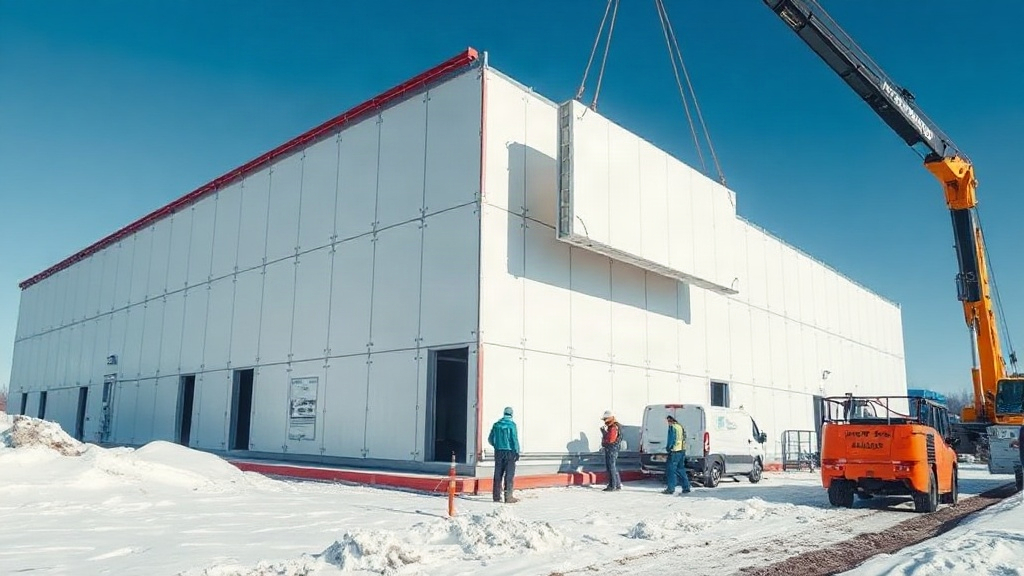
When you're building in Canada, you quickly learn that the climate dictates your material choices. From the biting cold of January in Winnipeg to the damp, salty air in Halifax, your building envelope has to perform. That's why more and more contractors and homeowners are turning to sandwich panels. These prefabricated insulated panels are changing how we think about walls and roofs, offering a combination of thermal performance, speed, and durability that traditional stick-built construction struggles to match. But what exactly are sandwich panels, and why are they gaining traction across Canada? Let's dig in.
What Are Sandwich Panels?
At their core, sandwich panels are composite building elements made of two rigid outer skins bonded to an insulating core. The skins are typically metal (steel or aluminum), but can also be oriented strand board (OSB), plywood, or even fiberglass. The core is usually polyurethane (PUR), polyisocyanurate (PIR), expanded polystyrene (EPS), or mineral wool. This layered structure creates a strong, lightweight panel that insulates far better than a single material could on its own. The panels come in various thicknesses and profiles, and they interlock with tongue-and-groove or shiplap joints, often with concealed fasteners for a clean look.
Why Sandwich Panels Make Sense in Canada
Canada's climate is a tough test for any building material. With heating costs on the rise and codes getting stricter, the thermal efficiency of sandwich panels is a major draw. The continuous insulation layer eliminates thermal bridging, which is a common problem in wood-frame walls where studs conduct heat. This means lower energy bills and a more comfortable indoor environment. Plus, the prefabricated nature of the panels means faster installation, which is a big deal when your construction season is short. And let's not forget durability: the metal skins resist moisture, pests, and rot, which can be a concern in wet coastal regions or areas with heavy snow loads.
Types of Sandwich Panels for Canadian Projects
Not all sandwich panels are created equal. The right choice depends on your application, budget, and local building codes. Here's a rundown of the most common types you'll encounter in Canada.
Insulated Metal Panels (IMPs)
IMPs are the heavyweights of the sandwich panel world. They consist of two steel skins with a foamed-in-place polyurethane or PIR core. They offer excellent insulation values (R-8 per inch or more), are highly weather-resistant, and can span long distances without support. They're often used for commercial and industrial buildings, cold storage facilities, and even some residential applications. The downside? They're more expensive than other options and require specialized installation.
Expanded Polystyrene (EPS) Panels
EPS sandwich panels use a core of expanded polystyrene, which is lightweight and cost-effective. While EPS has a lower R-value per inch compared to polyurethane (around R-4 per inch), it's still a solid performer, especially when you factor in the cost savings. These panels are commonly used in residential walls, roofs, and even as structural insulated panels (SIPs) when combined with OSB skins. If you're building a home or a small commercial structure, EPS panels can be a budget-friendly way to achieve good energy performance.
Mineral Wool Panels
For projects that require fire resistance, mineral wool core panels are a top choice. Mineral wool is non-combustible and can withstand high temperatures, making it ideal for buildings where fire safety is a priority, such as schools, hospitals, and high-occupancy structures. They also provide good acoustic insulation. However, they're heavier and more expensive than foam-core panels, and they may not offer the same R-value per inch.
Benefits of Using Sandwich Panels in Canadian Construction
So why should you consider sandwich panels for your next project? Let's break down the advantages.
- Energy efficiency: The continuous insulation and tight joints minimize air leakage and thermal bridging, leading to significant energy savings. In a Canadian winter, that can mean hundreds of dollars saved on heating.
- Speed of construction: Panels arrive prefabricated and ready to install. A crew can erect a building envelope in days rather than weeks, reducing labor costs and getting you to occupancy faster.
- Design flexibility: Panels come in a variety of colors, profiles, and finishes. You can achieve a modern look with concealed fasteners or a more traditional appearance with exposed fasteners.
- Durability: The metal skins are resistant to rot, insects, and mold. They're also impact-resistant and can handle Canada's freeze-thaw cycles.
- Sustainability: Many panels use recycled content and are fully recyclable at the end of their life. The energy savings also reduce your carbon footprint over time.
How to Choose the Right Sandwich Panels for Your Project
With so many options, selecting the right panels can feel overwhelming. Here are the key factors to consider.
Climate and Location
If you're building in a region with extreme cold, you'll want panels with a high R-value, such as polyurethane or PIR core. In coastal areas, corrosion-resistant coatings on the metal skins are essential. Snow load requirements will also dictate the panel thickness and support spacing.
Building Codes and Regulations
Canada's National Building Code and provincial codes have specific requirements for insulation, fire safety, and structural performance. Make sure the panels you choose meet the relevant standards, such as CAN/ULC S101 for fire testing. Some provinces offer incentives for energy-efficient construction, so check what's available.
Budget
While sandwich panels can have a higher upfront cost than traditional framing, the savings in labor and energy often make them cost-competitive over the life of the building. For a typical Canadian home, the payback period can be as short as 5-7 years when you factor in energy savings and reduced construction time.
Installation Expertise
Proper installation is critical to performance. Panels must be handled carefully to avoid damage to the skins or core. They need to be sealed at joints to prevent air and moisture infiltration. If you're not experienced with panel installation, it's worth hiring a certified installer. Many manufacturers offer training and support.
Installation Tips for Canadian Builders
Building with sandwich panels is different from traditional construction. Here are some practical tips to ensure a successful project.
- Plan for thermal movement: Metal panels expand and contract with temperature changes. Allow for this movement at joints and connections to prevent buckling or stress on fasteners.
- Use proper fasteners: Self-drilling screws with neoprene washers are commonly used. Make sure they're compatible with the panel material and don't over-tighten, which can crush the insulation.
- Seal all joints: Use high-quality sealants and gaskets to create a continuous air barrier. This is especially important in Canada's cold, windy climate.
- Handle with care: Panels can be slippery, especially when wet or icy. Use proper lifting equipment and avoid dragging panels across each other.
- Coordinate with other trades: Since panels go up quickly, make sure electrical and plumbing rough-ins are planned and executed before the panels are installed, or that penetrations are properly sealed afterward.
Cost Considerations for Sandwich Panels in Canada
Costs vary widely based on panel type, thickness, and project location. As a ballpark, EPS panels might range from $10 to $20 per square foot installed, while IMPs can be $25 to $40 per square foot. Mineral wool panels fall in between. These figures include materials and labor but not foundation or finishing work. It's always best to get quotes from local suppliers and installers. Keep in mind that energy rebates and incentives can offset some of the initial cost. For example, the Canada Greener Homes Grant offers up to $5,000 for energy-efficient upgrades, which may include insulation improvements.
Common Mistakes to Avoid
Even experienced builders can run into issues with sandwich panels. Here are a few pitfalls to watch out for.
- Ignoring thermal bridging at connections: Use thermal breaks where panels meet structural elements to maintain the insulation's effectiveness.
- Poor sealing: Gaps and unsealed penetrations can lead to air leakage, moisture problems, and reduced R-value.
- Inadequate structural support: Panels are strong, but they still need proper framing and anchorage to resist wind and snow loads.
- Not accounting for fire safety: In multi-story or high-occupancy buildings, fire-rated panels and proper detailing are essential.
- Skipping maintenance: While panels are low-maintenance, periodic inspections of seals and fasteners can prevent bigger problems down the road.
Frequently Asked Questions
How do sandwich panels perform in extreme cold?
They perform exceptionally well. The insulating core maintains its R-value in cold temperatures, and the metal skins don't become brittle. However, you need to ensure proper sealing to prevent condensation and ice formation within the panel joints.
Can sandwich panels be used for residential homes?
Absolutely. Many homeowners use sandwich panels for walls and roofs, especially in remote areas where traditional construction is costly or slow. They can be finished with various interior and exterior claddings to match any style.
What is the lifespan of sandwich panels?
With proper installation and maintenance, sandwich panels can last 30 to 50 years or more. The metal skins are typically coated with a protective finish that resists corrosion and fading.
Are sandwich panels environmentally friendly?
They can be. Look for panels with recycled content and low-VOC finishes. The energy savings from reduced heating and cooling also lower your carbon footprint. At the end of their life, the metal skins are recyclable, though the foam core may require special disposal.
How do I find a qualified installer in Canada?
Check with the panel manufacturer for a list of certified installers. Industry associations like the Canadian Sheet Steel Building Institute (CSSBI) can also provide resources. Always ask for references and proof of insurance.
Sandwich panels are more than a passing trend. They're a practical, high-performance solution that aligns with Canada's climate and construction demands. Whether you're building a warehouse in Edmonton or a cottage in Muskoka, they offer a way to build faster, tighter, and smarter. As with any building material, the key is to understand your options and work with experienced professionals. With the right approach, sandwich panels can deliver lasting value for your project.