
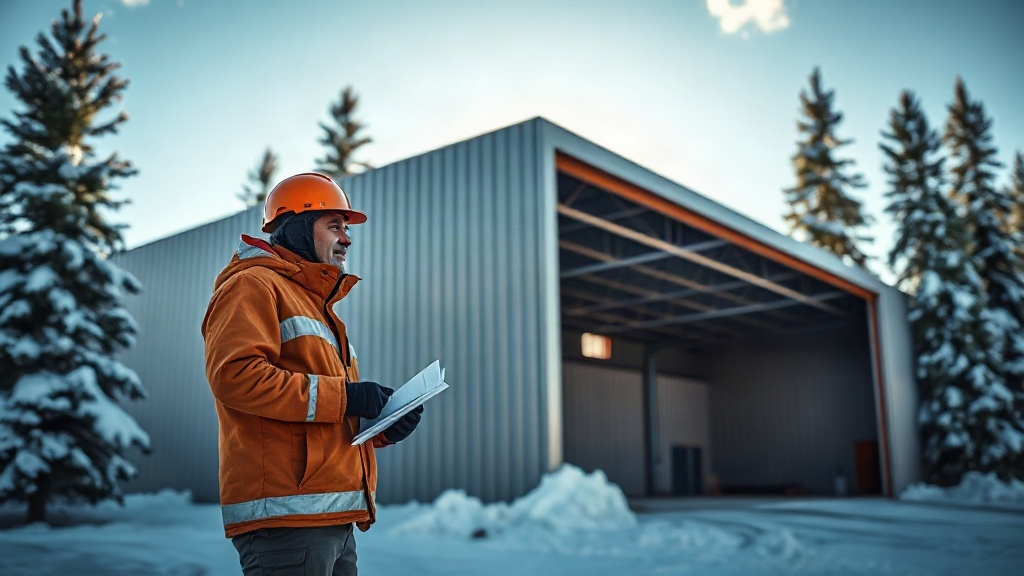
If you're planning a construction or renovation project in Canada, you've likely heard about sandwich panels. These insulated building solutions are gaining popularity for their energy efficiency, durability, and speed of installation. But what exactly are sandwich panels, and why are they becoming a go-to choice for Canadian builders and homeowners? In this guide, we'll explore everything you need to know about sandwich panels in Canada, from their composition to their applications and benefits.
What Are Sandwich Panels?
Sandwich panels, also known as insulated panels, are composite building materials made of two outer layers (facings) bonded to a core of insulating material. The facings are typically made of metal, such as steel or aluminum, but can also be made of other materials like fiberglass or cement. The core is usually a rigid foam insulation, such as polyurethane (PUR), polyisocyanurate (PIR), expanded polystyrene (EPS), or mineral wool. This combination creates a strong, lightweight panel with excellent thermal insulation properties.
Why Choose Sandwich Panels in Canada?
Canada's climate is notoriously harsh, with freezing winters and hot summers. This makes energy efficiency a top priority for any building. Sandwich panels offer superior insulation, helping to maintain comfortable indoor temperatures while reducing energy costs. Additionally, they are quick to install, which is crucial in Canada's short construction season. Their durability and resistance to moisture, pests, and fire make them ideal for Canadian conditions.
Types of Sandwich Panels Available in Canada
Several types of sandwich panels are available in the Canadian market, each with its own characteristics and best-use cases.
EPS (Expanded Polystyrene) Core Panels
EPS core panels are a popular choice for cost-conscious projects. They offer good thermal insulation at an affordable price. EPS is lightweight and easy to handle, making installation straightforward. However, EPS has a lower R-value per inch compared to other foams, so thicker panels may be needed to achieve desired insulation levels. These panels are commonly used in walls and roofs of warehouses, cold storage facilities, and residential garages.
PUR/PIR (Polyurethane/Polyisocyanurate) Core Panels
PUR and PIR panels provide higher insulation values and better fire performance than EPS. They are often used in commercial and industrial buildings where energy efficiency and safety are critical. PIR panels, in particular, have a char-forming behavior that can slow the spread of fire. These panels are also thinner for the same R-value, saving space. They are suitable for both walls and roofs, and can be used in cold climates like Canada's.
Mineral Wool Core Panels
Mineral wool core panels are non-combustible and offer excellent fire resistance, making them ideal for high-risk areas such as industrial kitchens, chemical plants, and buildings requiring strict fire codes. They also provide good acoustic insulation. While they are heavier and more expensive than foam-core panels, their safety benefits often justify the cost. In Canada, they are often used in schools, hospitals, and other public buildings.
Benefits of Sandwich Panels for Canadian Construction
Sandwich panels bring a host of benefits that make them well-suited to the Canadian construction landscape.
- Energy Efficiency: With high R-values, sandwich panels reduce heat loss in winter and heat gain in summer, lowering heating and cooling costs.
- Fast Installation: Panels are prefabricated and can be quickly assembled on-site, reducing labor costs and construction time, which is especially beneficial in Canada's short building season.
- Durability: The facings resist weather, corrosion, and impact, while the core is unaffected by moisture and pests.
- Design Flexibility: Panels come in various colors, profiles, and thicknesses, allowing for aesthetic and functional customization.
- Sustainability: Many panels are made with recyclable materials and can contribute to green building certifications like LEED.
Applications of Sandwich Panels in Canada
Sandwich panels are used in a wide range of building types across Canada.
Residential Buildings
Homeowners are increasingly using sandwich panels for garage doors, sunrooms, and even entire homes. Their insulation helps keep living spaces comfortable and energy bills low. They can also be used for interior partitions to improve soundproofing.
Commercial and Industrial Buildings
Warehouses, factories, cold storage facilities, and retail spaces often rely on sandwich panels for their walls and roofs. The panels provide a clean, finished look and can be installed quickly, minimizing downtime.
Agricultural Buildings
In Canada's farming communities, sandwich panels are used for barns, poultry houses, and storage sheds. They resist moisture and provide a controlled environment for livestock and crops.
How to Choose the Right Sandwich Panels
Selecting the appropriate sandwich panels for your project involves several considerations.
- Insulation Needs: Determine the required R-value based on your climate zone and building code. Canadian building codes vary by province, so check local regulations.
- Core Material: Choose between EPS, PUR/PIR, or mineral wool based on budget, fire safety, and thermal performance.
- Facing Material: Consider the environment. For coastal areas, choose corrosion-resistant facings like aluminum or coated steel.
- Thickness and Size: Panels come in various thicknesses and lengths. Ensure they fit your design and structural requirements.
- Certifications: Look for panels that meet Canadian standards, such as CAN/ULC or CSA, for safety and quality assurance.
Installation Tips for Canadian Climates
Proper installation is key to maximizing the performance of sandwich panels, especially in Canada's varied climate.
- Seal Joints: Use high-quality sealants and gaskets to prevent air and moisture infiltration, which can lead to mold and energy loss.
- Allow for Thermal Movement: Panels expand and contract with temperature changes. Follow manufacturer guidelines for fastening to accommodate movement without compromising the seal.
- Handle with Care: Avoid damaging the facings during transport and installation. Dents and scratches can reduce corrosion resistance.
- Professional Installation: While DIY is possible, hiring experienced installers ensures proper fit and performance, especially for complex roofs or walls.
Cost of Sandwich Panels in Canada
The cost of sandwich panels varies based on type, thickness, and supplier. On average, you can expect to pay between $20 and $60 per square meter for EPS core panels, and $40 to $100 for PUR/PIR or mineral wool panels. Factors such as custom colors, profiles, and delivery can affect the final price. It's wise to get multiple quotes and compare not just cost but also warranty and customer service.
Frequently Asked Questions
Are sandwich panels suitable for cold Canadian winters?
Absolutely. Sandwich panels are designed to perform in extreme temperatures. Their high R-values and airtight construction prevent heat loss, keeping interiors warm and energy-efficient. Just ensure the panels are properly sealed and installed to avoid thermal bridging.
Can sandwich panels be used for residential homes?
Yes, they can. While traditionally used in commercial and industrial buildings, sandwich panels are increasingly popular in residential construction for walls, roofs, and even entire homes. They offer fast construction and excellent insulation, though you should check local building codes for compliance.
What is the lifespan of sandwich panels?
With proper installation and maintenance, sandwich panels can last 30 to 50 years or more. The facings are typically coated to resist corrosion, and the core does not degrade. Regular inspections and minor repairs can extend their life.
Do sandwich panels require special maintenance?
Minimal maintenance is needed. Periodically inspect for damage, clean with mild soap and water, and repair any scratches or dents to prevent corrosion. Check seals around joints and fasteners to ensure they remain watertight.
Are sandwich panels environmentally friendly?
Many sandwich panels are made with recyclable materials, and their energy efficiency reduces carbon footprints. Some manufacturers use eco-friendly foams and coatings. Look for panels with Environmental Product Declarations (EPDs) or that contribute to LEED credits.
Sandwich panels are a smart choice for Canadian construction, offering insulation, speed, and durability. Whether you're building a home, warehouse, or agricultural facility, these panels can help you achieve your goals efficiently. For more information and tools to calculate insulation needs, visit EPS Insulation Calculator.